Apple Cracks Open the Walled Garden to Give Everyday Users a First Look at Siri AI
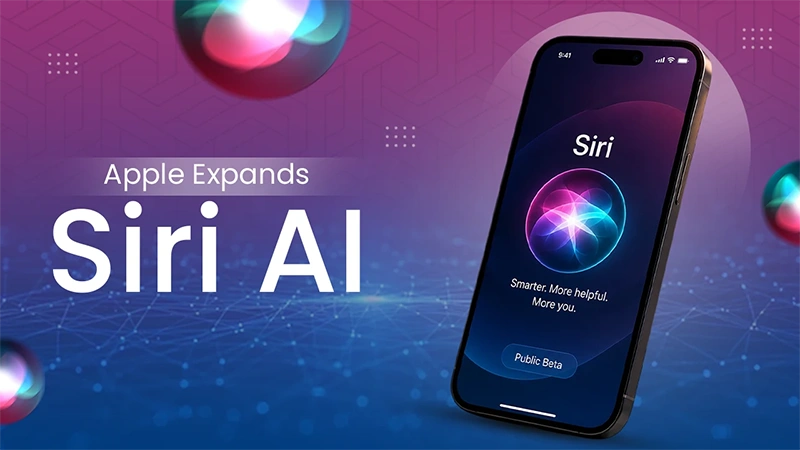
Finally, after years of waiting for the virtual assistant revolution promised by Apple, the time is up for everyone else too. After removing its next generation AI from developers-only channels, Apple has released its iOS 27 public beta. Finally able to test out “Siri AI,” which is a complete overhaul of the virtual assistant designed to take voice commands to whole another level, replacing them with actual fluid logic of conversation.
Unlike the previous version, which only had a function of parsing pre-made phrases, the revamped software is integrated into the new Apple Intelligence system. Using the smaller, device-based foundation models and dedicated private cloud server environment to respond to any complex prompts, the software finally offers users an independent Siri app that can store any conversation history.
It allows people to chat using a simple text-chat format, as well as interact with it swiping down from Dynamic Island, resuming complicated tasks. From creating recipes from the internet directly into the shopping list to filtering through one’s emails and photos using on-screen awareness, the assistant is now able to do a variety of complex cross-app tasks.
Nevertheless, the sophisticated functionalities need considerable computational power. The entire range of Siri AI functionality is limited to new devices only, which means that users will have to have at least an iPhone 15 Pro, iPhone 16, or even later device to be able to use the technology.
In addition to that, European and Chinese customers are subject to temporary geographical restrictions because of local data regulation framework.
Although initial user experiences point to impressive performance of the UI animations and a significant speed boost in the system, testers must anticipate some beta glitches, excessive battery consumption, and an obligatory backend activation waitlist.
Overall, the update can be considered a huge philosophical shift within consumer technology. By incorporating sophisticated context-aware generative computing into mobile applications, Apple managed to turn its legendary voice tool into an integral orchestrator of people’s digital experience.