Google Unveils Play Catalog Access Program to Open Android Ecosystem for Alternative App Marketplaces
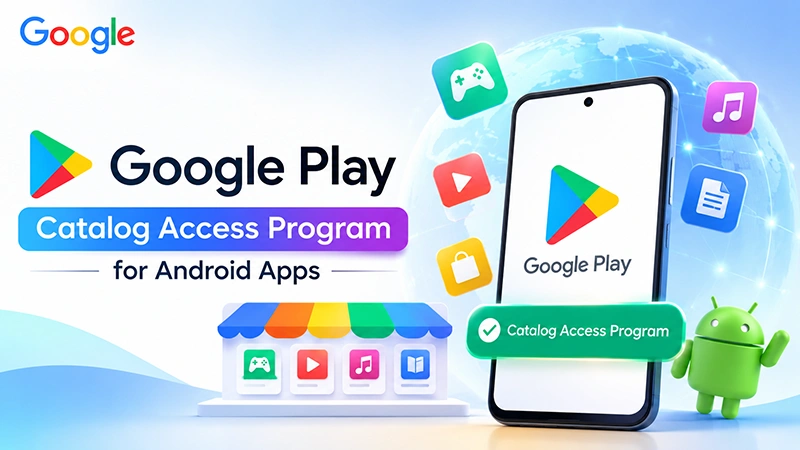
Longstanding structural monopoly in mobile software distribution is now being faced with the greatest revolution ever. Breaking open its tightly controlled digital doorways, Google has finally established the Play Catalog Access Program.
From July 22, 2026, the groundbreaking program will give selected third-party Android app stores in the United States access to the vast library in the Google Play Store, making it possible to list mainstream applications without creating an entirely new catalog.
This landmark strategic move can be directly attributed to an intense and significant antitrust lawsuit filed against Google by Epic Games. In accordance with the new program, apps of developers are exported to external storefronts by default, but developers will be able to disable exportation manually in each store individually.
While the program is giving competitors a chance to display such notable apps, Google is not giving up its hold altogether. In other words, installation and software updates of these core apps will be done by means of the Google Play systems, and hence the standard Google commission will still apply.
In order to avoid turning these hubs into unchecked channels for malware, Google has set up strict rules on security and procedure. Store managers should act as open, legitimate, and non-discriminatory markets where they will be policing copyright infringement and criminal behavior.
Moreover, stores should not engage in hidden checkout surcharges or share their copy of catalog data with any other countries besides the US. Entry to this system requires an obvious company investment. Applicants need to pass through a strict process of identity verification, receive policy reviews, and pay a $5,000 security review fee, a sum that is repeated every year as long as they need to have access to the database.
Moving from a mandatory web-side-loading practice to the allowed store catalog data sharing marks an important milestone in mobile history and shows how legal threats can bring about competition between Silicon Valley platforms.