
Anthropic Pledges Invisible Watermarks for Claude-Generated Text in Compliance With EU Rules
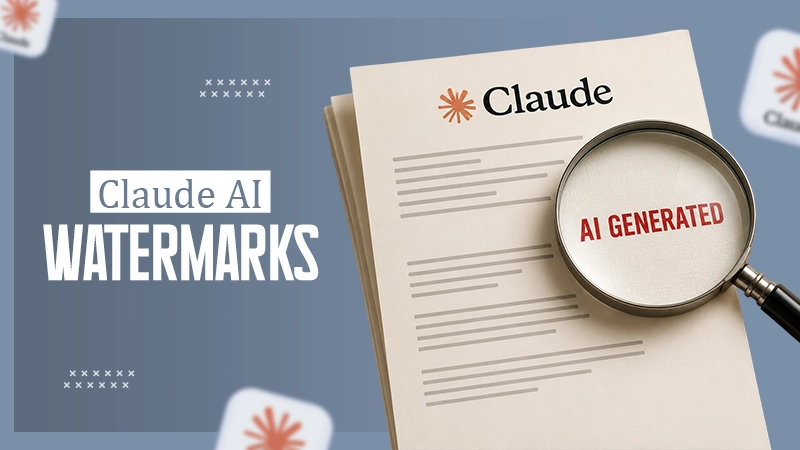
An artificial intelligence laboratory called Anthropic has chosen to add machine-readable and invisible watermarks in the generated texts through its Claude AI model in its platform.
This new policy has been adopted as part of the newly updated support page which ensures that the generated texts will be detectable using automatic detection methods without losing their readability and meaning.
The main reason for adopting this new policy is compliance with regulations. Article 50(2) of the Transparency Code of the AI Act, passed by the European Union on August 2, 2026, stipulates that providers of generative foundation models need to denote that their output is syntheti.
Providers may face non-compliance fines of up to €15 million or 3% of total global turnover. For this reason, Anthropic decided to extend its implementation of transparency standards to its entire global product ecosystem instead of European users alone.
Watermarks are encoded in a mathematical pattern directly in the text that was generated using its algorithm. This watermarking technology allows the watermark to stay intact when the text is copied and pasted to other software platforms
In addition to text watermarking, supported image formats, such as JPG, PNG, and SVG, will include provenance metadata that is cryptographically signed according to the C2PA open standard and that can indicate any possible tampering.
The international implementation will cover all versions of Claude introduced after August 2 on consumer, developer, and cloud-based deployment interfaces, including Amazon Web Services, Google Cloud, and Microsoft Foundry.
Anthropic is currently working on tools that will allow third-party platforms to identify Claude-generated content and will be adding marking functionality to older versions of the model over time.
Implementing digital watermarking at the model level sets a new standard for content provenance in the realm of synthetic media. With legislation tightening around automated outputs, implementing traceability into generative models helps create systemic accountability while not interfering with regular user activity.