
Paytm Enters AI Business to Sell Autonomous Agents to Banks and Insurers
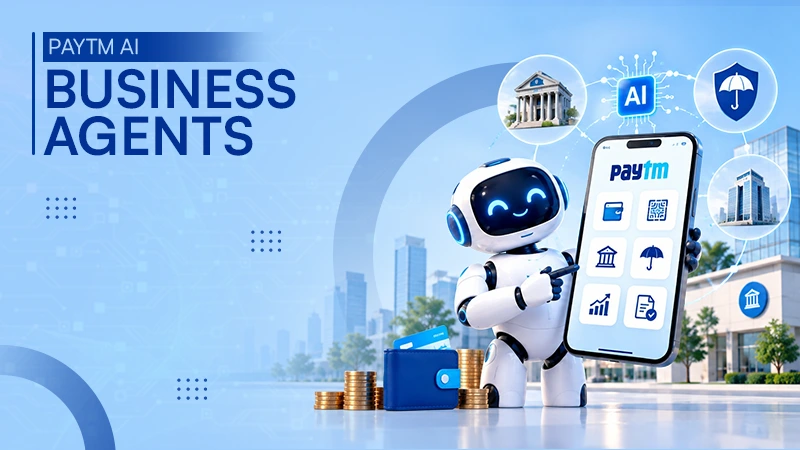
Officially, Paytm’s parent company One97 Communications has entered the world of enterprise artificial intelligence with the introduction of “Paytm Intelligence” or Pi.
The newly introduced set of B2B products will offer autonomous software agents to banks, lending institutions and insurers in India and the United Arab Emirates. Following the pilot projects, Paytm shares saw an increase of around 5% as the investor community responded favorably to the company’s strategy change towards enterprise revenues.
The key technology behind the suite is based on the three-tiered structure that consists of compliance rules, machine learning algorithms, and large language models trained on years of transactional data. Unlike regular software dashboards, Pi provides autonomous agents capable of executing multi-step processes such as sales calls, credit risk analysis, fraud detection, and insurance claims management.
Currently, the internal deployment of the suite processes over 10 million customer queries each month, saving over $11 million per year on operational expenses. This growth will be achieved through the hiring of about 4,000 experts in the areas of artificial intelligence engineering and merchant sales networks.
Such a move is aimed at helping Paytm realize revenues from its proprietary financial models without the challenges of reduced margins and regulatory caps in the consumer payments space. This move by Paytm is aligned with the broader trends witnessed globally, whereby fintech players are able to make money using their transaction data in order to create B2B infrastructures.
By converting their proprietary automation technology to enterprise products, financial technology firms have been able to access recurring revenue streams. The deployment of Paytm Intelligence means that Paytm has become an AI infrastructure player.
The move also comes at a time when there is a trend towards workplace automation in emerging financial markets. This diversification helps the fintech giants to remain resilient against any changes in domestic regulations while expanding in Gulf countries.